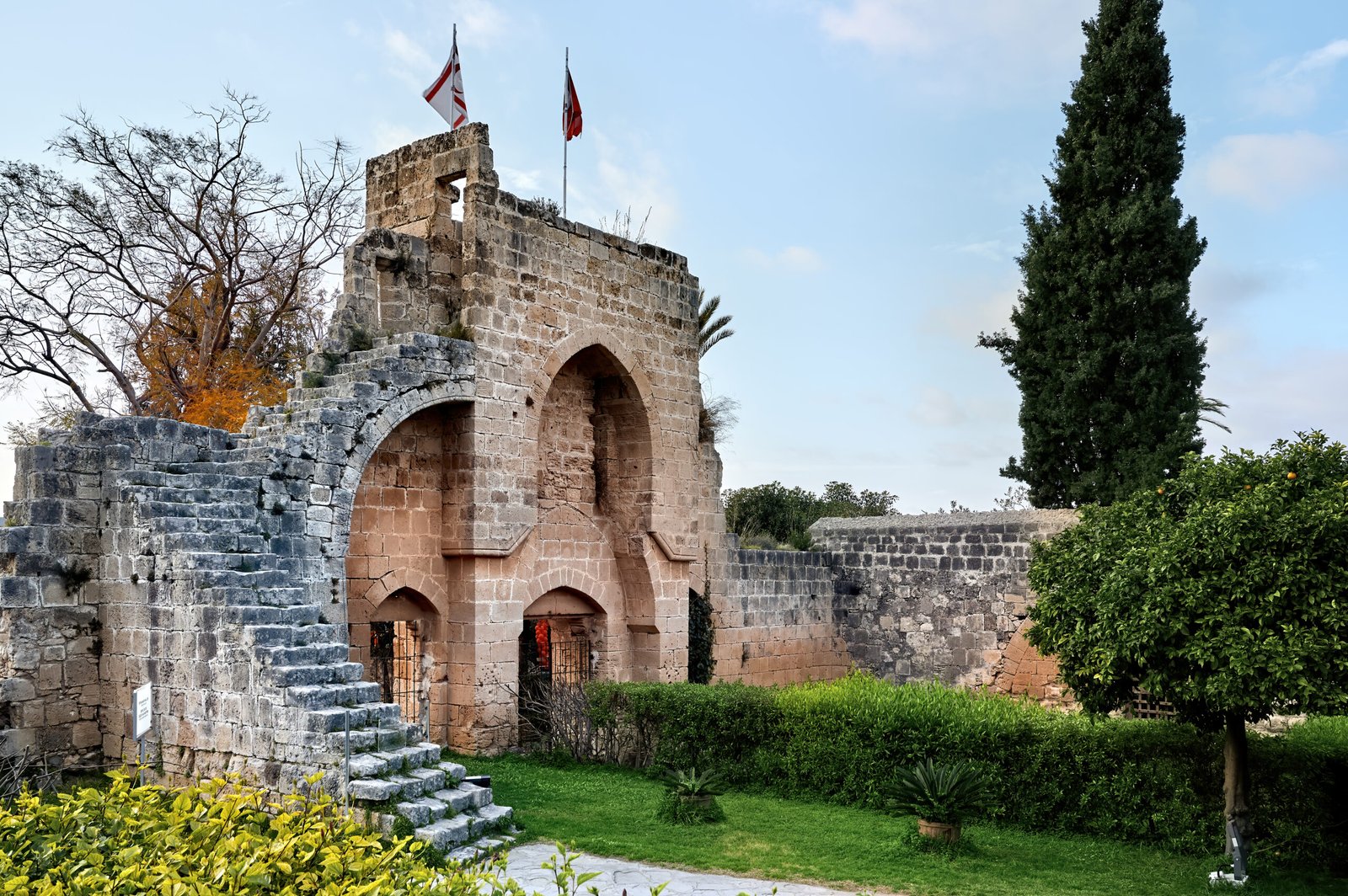
Cyprus sits at the eastern end of the Mediterranean, closer to Beirut than to Athens, and has built an economy around shipping, professional services and international business alongside tourism..
Capital
Nicosia
Currency
Euro
Languages
Greek, Turkish, English widely spoken
Focus regions
Limassol, Paphos, Larnaca
Cyprus sits at the eastern end of the Mediterranean, closer to Beirut than to Athens, and has built an economy around shipping, professional services and international business alongside tourism.
English is widely spoken, the legal system is common-law based, and the business services sector is unusually developed for the island’s size. That combination is what draws relocating founders, fund managers and family offices rather than purely seasonal buyers.
Property concentrates around Limassol, Paphos and the Larnaca coast. Limassol has become the commercial centre with a marina district and high-rise seafront stock; Paphos remains lower-density and more residential.
Larnaca and Paphos airports connect widely across Europe, the Gulf and the Levant, with year-round rather than purely seasonal schedules.
The island is compact: Limassol to Larnaca airport is around forty-five minutes by motorway.
02
Visas & Residency
Cyprus operates permanent residency and temporary residence categories, with criteria that have been revised repeatedly. Company relocation routes are also used by businesses moving staff to the island.
Detailed residency guidance will be provided by Beyond Borders Investments.
03
Lifestyle
The season is long — swimming from May to November is normal — and winters are mild rather than cold. Inland, the Troodos mountains offer a genuine change of climate within an hour.
International schooling is well established, particularly around Limassol and Nicosia, which supports full family relocations.
04
How Does Real Estate Work?
Contracts of sale are deposited at the Land Registry, which gives the buyer specific performance protection ahead of title transfer. Title deed issuance on newer developments can lag, so the position must be checked precisely.
Non-EU buyers require Council of Ministers approval, generally a formality but one that takes time.
05
Buying Process
Advice
Appoint an independent Cypriot lawyer at the outset, separate from the developer or agent.
Reservation
Deposit paid against a written reservation with defined terms.
Contract
Sale contract signed and lodged at the Land Registry for protection.
Approval
Where required, Council of Ministers approval for non-EU acquisition.
Title
Transfer of title deed and payment of transfer fees.
06
Selling Process
Title position
Confirm the title deed is issued and unencumbered before marketing.
Valuation
Assess against recent completed sales in the same development or street.
Marketing
Targeted international exposure rather than volume listing.
Completion
Transfer at the District Land Office; capital gains position cleared in advance.
07
Planning & Preparation
If the move is business-led, sequence the corporate and personal steps together; they interact more here than in most markets.
Water and cooling costs are real considerations for larger houses with pools. Ask for actual utility histories.
08
Taxes
Acquisition may attract VAT or transfer fees depending on whether the property is new or resale. Personal tax treatment depends on residence and domicile status.
09
Insider Tips
Always confirm whether a separate title deed exists for the specific unit — not for the development as a whole.
Limassol seafront and Limassol suburbs are different markets with different buyers and different liquidity.
Build quality on older resale stock varies; an independent survey is money well spent.
Reduced VAT on a first residence has conditions and clawbacks. Check before, not after.
Enquire
Considering Cyprus?
Tell us what you have in mind — a purchase, a move, a longer-term position — and we will set out what is involved before anything is committed.